

|

Travelling to Cuba? Have you been informed about Cholera?
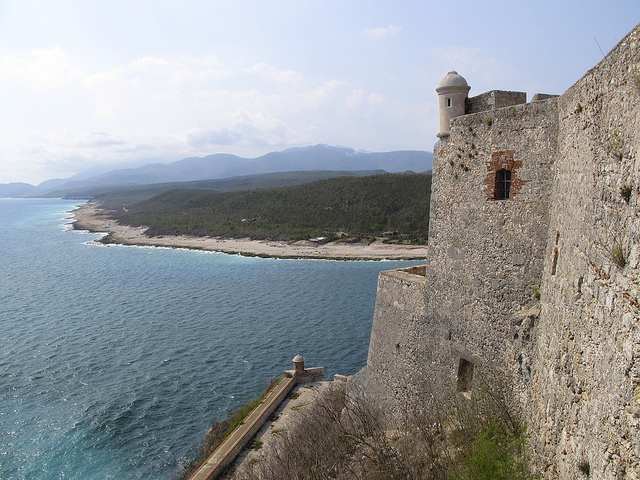
Cuba 3

The Pan American Health Organization  has reported over 20 laboratory confirmed cases of cholera in Cuba since August 2015.   Confirmed cases have been reported in Holguin Province; unofficial reports of cholera cases have also been in Las Tunas and Santiago de Cuba provinces.

What is Cholera?

Cholera is an acute diarrheal illness caused by an infection of the intestine caused by ingestion of contaminated food and water. Symptom onset is hours to 5 days and includes nausea, vomiting and watery diarrhea.  Severe cases of cholera infection can occur but are less than one percent with treatment.  Complications of this infection include severe dehydration and kidney failure.   The most important treatment is rehydration.    Cholera occurs in countries with poor sanitation and/or with crowded populations.


For Travellers….

There is a preventative vaccine to help protect against cholera and e-coli called Dukoral.  Travellers are advised to practice strict food and water safety precautions while travelling to risk areas.   It is advised to travel with oral rehydration salts in the event of a severe diarrhea occurrence.

It is always recommended to seek travel health advise prior to trips abroad.   Nova Travel Clinic will discuss all the health concerns for your upcoming trip and will provide recommended immunizations in the same visit.  We carry all the necessary vaccines for travel including Dukoral.  Contact us today to book your appointment 250-370-2366 !

Similar Posts

  • Day-Biting mosquitoes have increased throughout the Americas

    Dengue Fever, Chikungunya and Zika Virus transmitted by day-biting mosquitoes have increased throughout the tropical and sub-tropical Americas.   The illnesses are not currently vaccine preventable and can all cause similar symptoms including fever, body aches and pains and more severe symptoms which can include organ dysfunction. Travellers are advised to continue to practice strict daytime and…

  • Dengue Fever: Kenya : Solomon Islands

    Kenya: According to press sources, since March 2013, 10 suspected cases of Dengue Fever have been reported in Mombasa. Solomon Islands: Since January 2013, international health authorities have reported approximately 2,000 cases of dengue fever primarily from Honiara. Travellers should seek a consultation with a travel health provider 4-6 weeks before travel.  As there is…

  • Greece: Rabies

    According to European heath authorities, on October 19th, 2012 the first case of rabies since 1987 was reported.  The rabies was found in a red fox from the Western Macedonian Region in Northern Greece. Certain travellers are recommended to receive the rabies vaccination.

  • Measles Outbreaks

    Measles: Measles is a highly contagious viral disease. It is 9 times more infectious than the Flu. The most common population that are vulnerable to measles are infants and adults. Measles spreads through droplets, such as from a cough or sneeze, from an infected individual, and also through the air. The virus can suspend in…

  • New Caledonia – Travel Health Alert

    According to New Caledonia’s Department of Health, 1 confirmed case of locally acquired chikungunya has been reported from Noumea since March 2011. This is the first locally acquired case reported in New Caledonia (2 imported cases were reported in February 2011). Chikungunya is an arboviral infection transmitted by mosquitoes. Travelers are advised to practice daytime…

  • Dengue Fever: Dominican Republic

    Since January 2013,  the Dominican Republic’s Ministry of Health has reported 3800 cases of Dengue Fever. The most affected areas of the Dominican are Santo Domingo and Santiago provinces and Distrito Nacional.   Travellers are advised to practice insect precautions.  There is no vaccine to protect against Dengue Fever; however travel clinics provide you with…